How to Choose the Perfect Winter Dresses for Office and Everyday Wear
Winter presents a particular challenge for the modern woman’s wardrobe: how to combine a professional appearance, feminine silhouette, and true comfort in low temperatures. Cold weather, sharp temperature changes, and a dynamic workday often turn the choice of the right dress into a compromise.
To answer this need, we have created a practical and applicable guide that shows how to choose winter dresses suitable for both the office environment and everyday life. The article is based on current fashion trends, corporate dress code requirements, and the specific demands of the winter season.
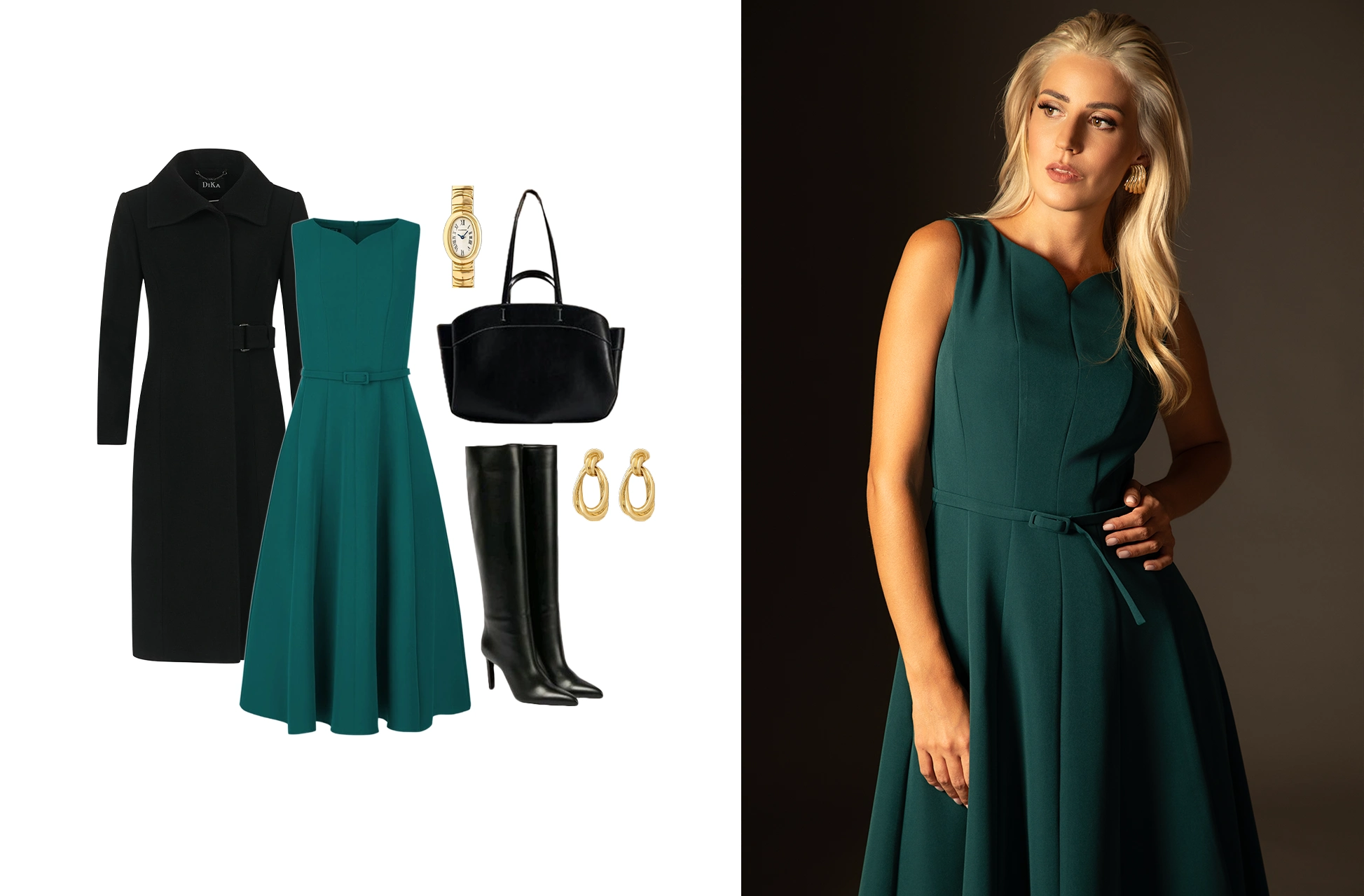
Lesson #1: Fabric – The Key to Comfort and a Professional Look
One of the most common mistakes when choosing a winter dress is focusing solely on color and cut, while overlooking the fabric label. In reality, fabric determines whether you will feel warm, comfortable, and confident throughout the day.
In practice, winter fabrics can be divided into two main groups:
Fabrics for the Office – Structure and Durability
In a professional environment, the priority is a silhouette that maintains its shape from morning to evening.
- Wool with lining – the most functional choice for winter. Modern wool blends, such as those used by DiKa, provide warmth without irritating the skin. The lining ensures a smooth silhouette and ease of movement.
- Dense tweed and jacquard – ideal for refined office looks. These fabrics appear polished, resist creasing, and convey stability and professionalism.
Fabrics for Everyday Wear – Softness and Freedom
Suitable for busy days, travel, or more relaxed settings.
- Heavy jersey and viscose – drape beautifully and do not emphasize unwanted areas. They offer flexibility and all-day comfort.
- Cashmere blends – among the coziest options for winter dresses, perfect for daily errands, walks, or weekend meetings.
Lesson #2: Professional Style in Cold Weather – What Works in the Office?
One of the biggest winter dilemmas is how to preserve an elegant work style without sacrificing warmth. These guidelines deliver the best results.
Long Sleeves – Practicality and Elegance
Long sleeves visually elongate the silhouette and eliminate the need for excessive layering. Many winter designs by DiKa feature carefully shaped cuffs that add a subtle yet stylish accent.
Midi Length – The Optimal Choice for Winter
Midi length (below the knee) is the warmest and most elegant option for business dresses. It:
- allows easy pairing with tall boots;
- maintains visual balance in sophisticated silhouettes;
- protects key areas such as thighs and knees from the cold.
Wrap-style dresses in deep, saturated tones—burgundy, navy, and green—are favorites for winter office looks.
Lesson #3: Knitted Dresses – Comfort and Style for the Weekend
Knits are no longer reserved for sweaters alone. High-quality winter knitted dresses are one of the most modern and practical solutions.
What to Look For:
- Vertical rib knitting – visually elongates the figure and refines the silhouette.
- Turtleneck collars – replace the need for a scarf and create a cozy frame around the neck. They look especially elegant with hair worn up.
A knitted dress delivers the so-called hygge effect—maximum comfort without compromising style.
How to wear it:
Pair with chunky combat boots for an active look or with suede knee-high boots for a more feminine feel. A long coat is the perfect finishing touch.
Lesson #4: Choosing Winter Dresses in Larger Sizes – The Right Cuts
Winter is the season of layering, and nothing feels more uncomfortable than a tight dress that restricts movement. The right cut is essential for both elegance and comfort.
If you are looking for plus-size winter dresses or simply prefer more freedom, opt for A-line (trapeze) silhouettes. These dresses are narrower at the shoulders and bust and gradually widen toward the hem, creating an air layer between the body and the fabric that helps retain warmth.
At DiKa, sizing is realistic, and the cuts are designed to complement real feminine curves—not model proportions.
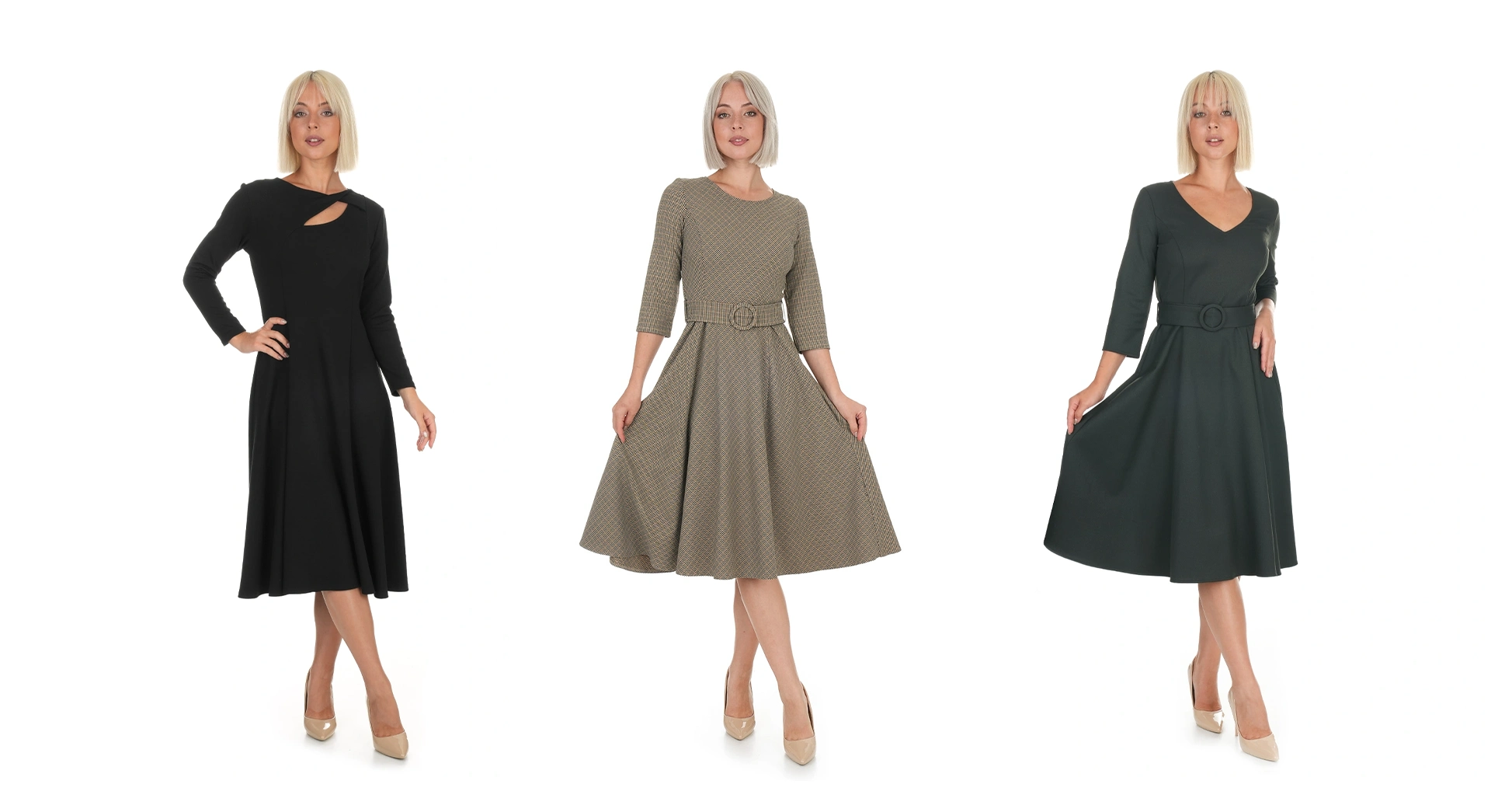
Lesson #5: Styling Rules for the Perfect Winter Look
Choosing the dress is only the first step. Styling can elevate the outfit—or undermine it.
Footwear
With long dresses:
If the hem reaches the ankle, boots should fit closely to the leg to avoid catching the fabric.
With midi lengths:
The rule is simple: no visible gaps of skin between the dress hem and the boots. The boot should extend under the skirt, visually lengthening the legs and providing warmth.
High leather boots with heels are the ideal partner for an office dress.
Outerwear
- The classic wool coat remains the most elegant and functional choice.
- Its length should match the dress or be slightly longer.
- Sporty jackets are unsuitable for the structured silhouette of a winter dress.
Accessories
In winter, minimalism works best:
- one statement piece of jewelry is enough;
- matte leather shoes balance dresses with shine;
- a belt can define the waist and structure the look.
Why Invest in High-Quality Winter Dresses?
You may wonder: “Why invest in one quality dress when I can buy several from fast fashion?”
The reality is simple: winter fabrics endure intense wear—friction from coats, moisture, cold, and sharp temperature changes. Inexpensive materials rarely last more than one season.
DiKa dresses are produced in Europe with close attention to tailoring, fit, and fabric quality. A wool winter dress, for example, retains its shape and color season after season—this is true quiet luxury worth investing in.
Being cold is neither heroic nor fashionable.
True style lies in feeling good in your own skin—and in your clothes—no matter whether it’s sunny or snowing outside.